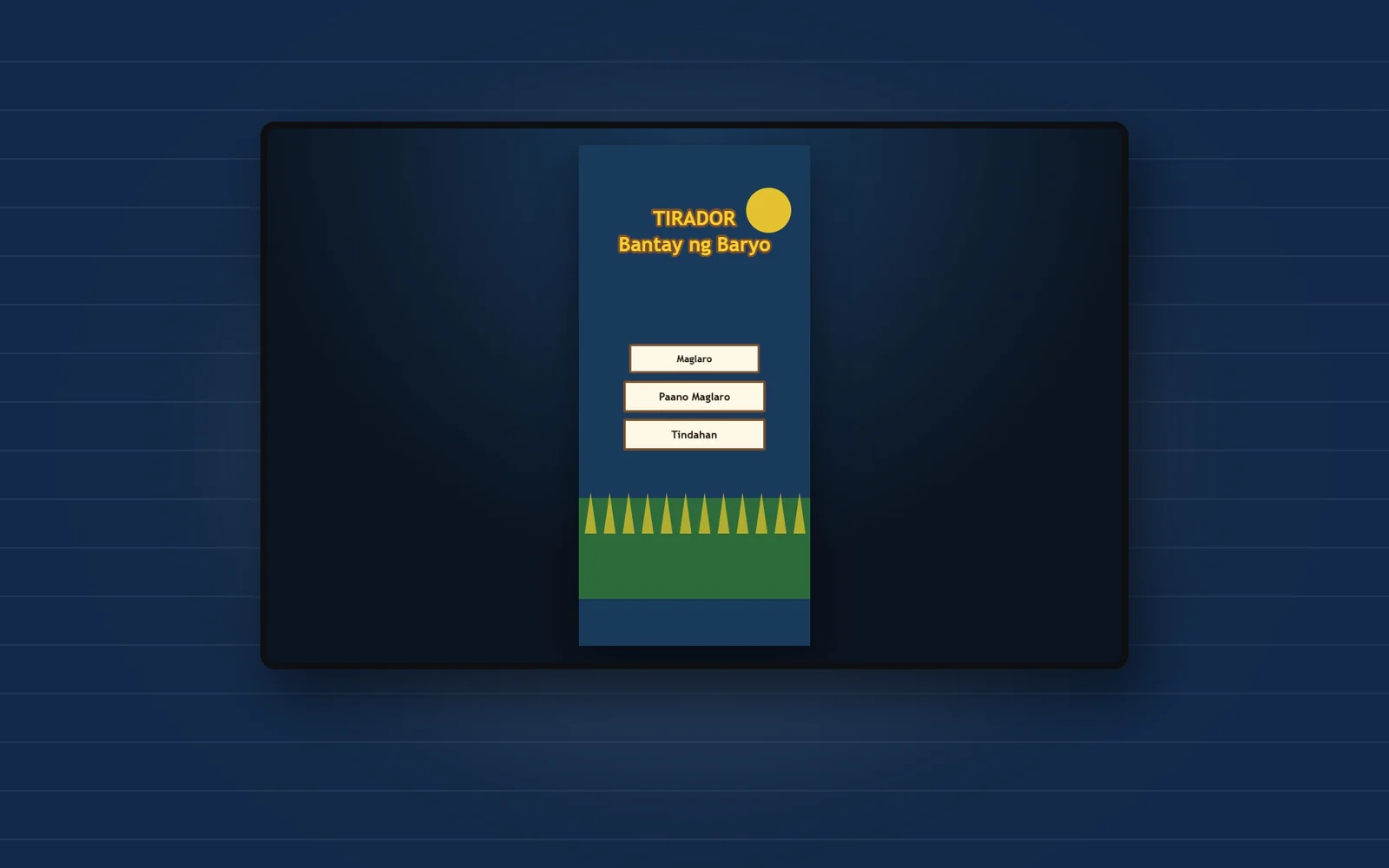
The Godot version of TIRADOR is the mainline. This is the web-mobile parallel build: the same barangay survivors concept, reimplemented in Phaser 3 with TypeScript, GSAP for tween-driven UI, Zustand for state management, and Capacitor for the Android and iOS wrappers.
The architecture follows Phaser 3 conventions — scenes for each game state (Boot, Menu, Game, GameOver), sprite-based rendering, arcade physics for collision and movement. GSAP handles the menu transitions and UI animations that Phaser’s built-in tweens struggle with. Zustand keeps game state (health, score, inventory, weapon level) in a single store that survives scene transitions. Howler.js manages audio with a fallback for browsers that block autoplay.
I started this build to explore whether Phaser’s web distribution model (instant load from a URL, no install) is worth maintaining alongside the Godot binary. Capacitor gives the option of publishing to app stores from the same codebase, but the primary delivery channel for this version is a URL that loads in any browser in under two seconds.
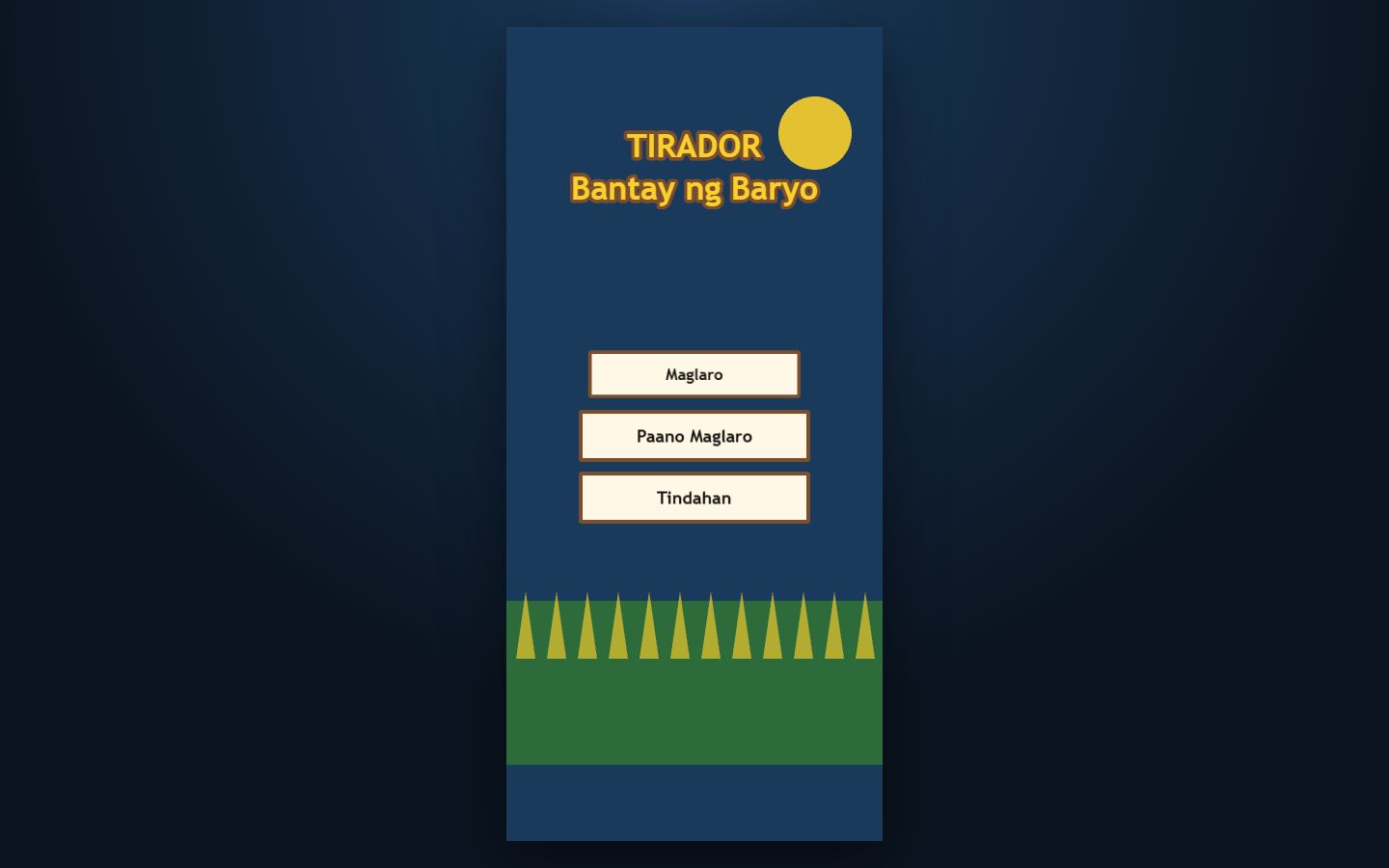
The scope is narrower than the Godot version — the Phaser build focuses on the core slingshot combat loop, a single barangay map, and three weapon types. Enough to validate whether the web route reaches players who would never install a Godot executable.